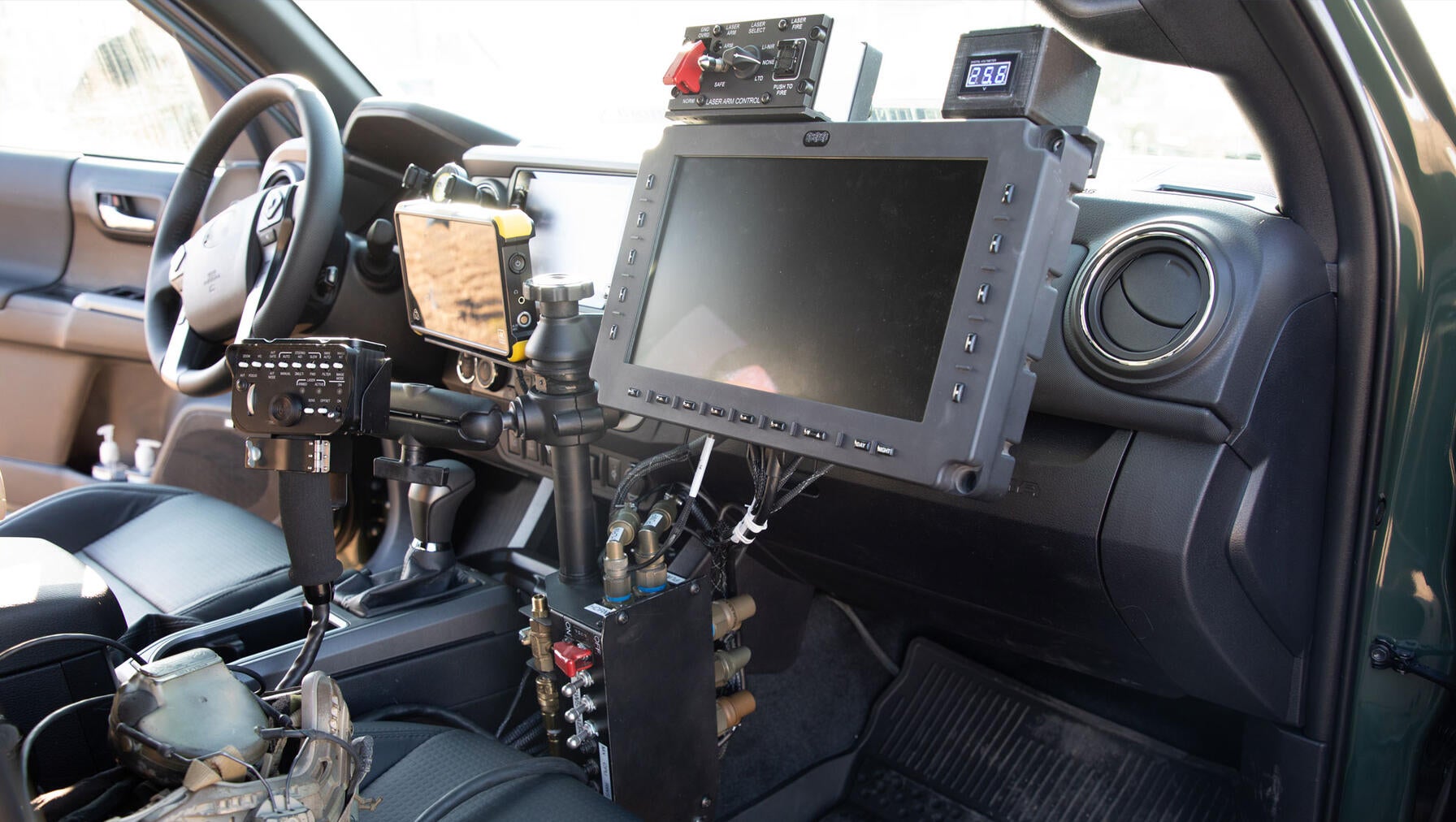
Das wäre mir neu. Bei der
Präsentation von GenMjr Promberger zu ESSI im Parlament gab es auch keine Indizien dazu.
Tatsache ist zwar, dass L3Harris im
Januar 2023 einen Vertrag zur Lieferung von 14 VAMPIRE an die Ukraine erhalten hat. Erfahrungsberichte dazu gibt es aber keine. Und zum damaligen Zeitpunkt befand sich das System gerade mal im Prototypenstadium. Bekannt ist, dass das DEVCOM der US Army im September 2023 ein vergleichbares System bei der Übung "Red Sands 23" in Saudi Arabien getestet hat:
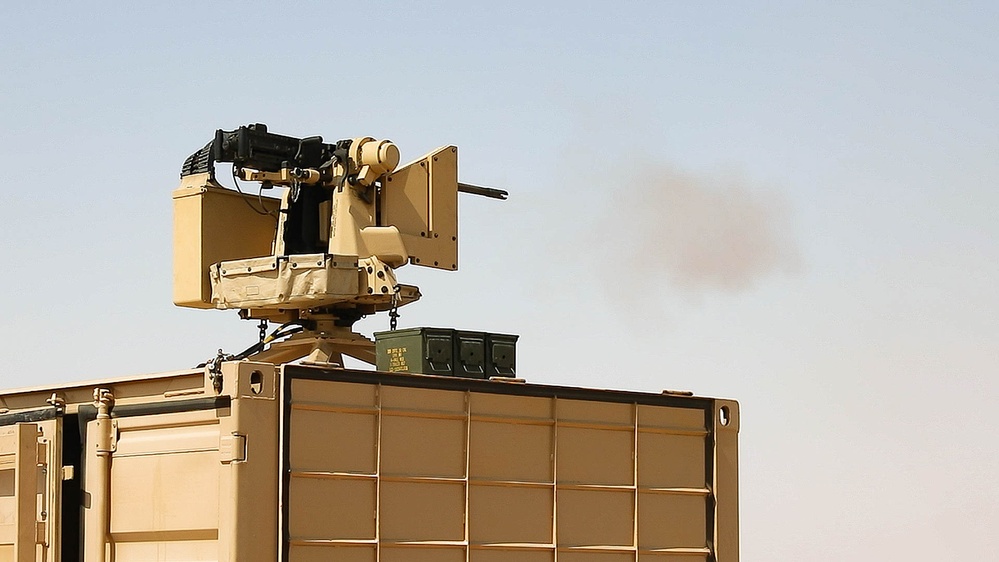
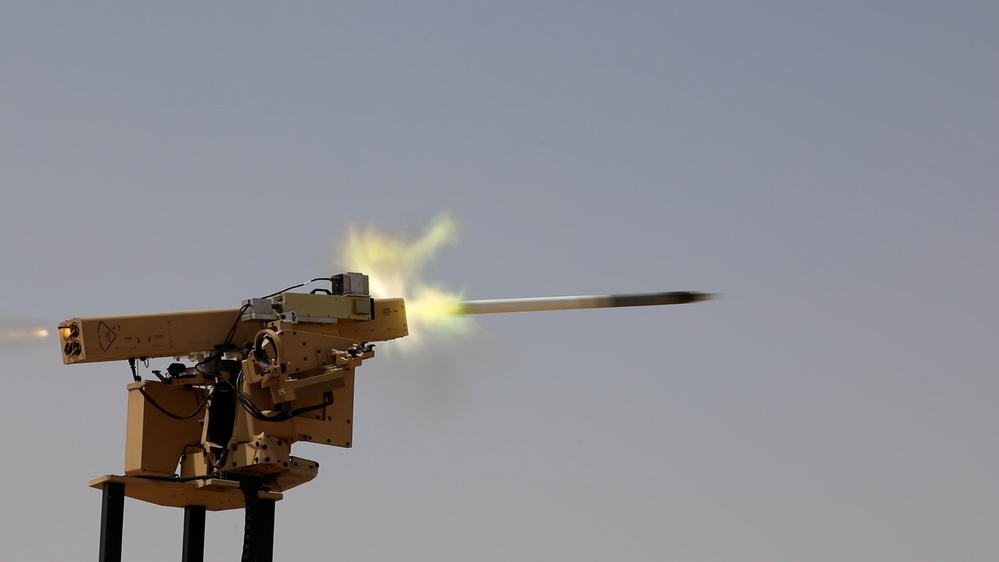
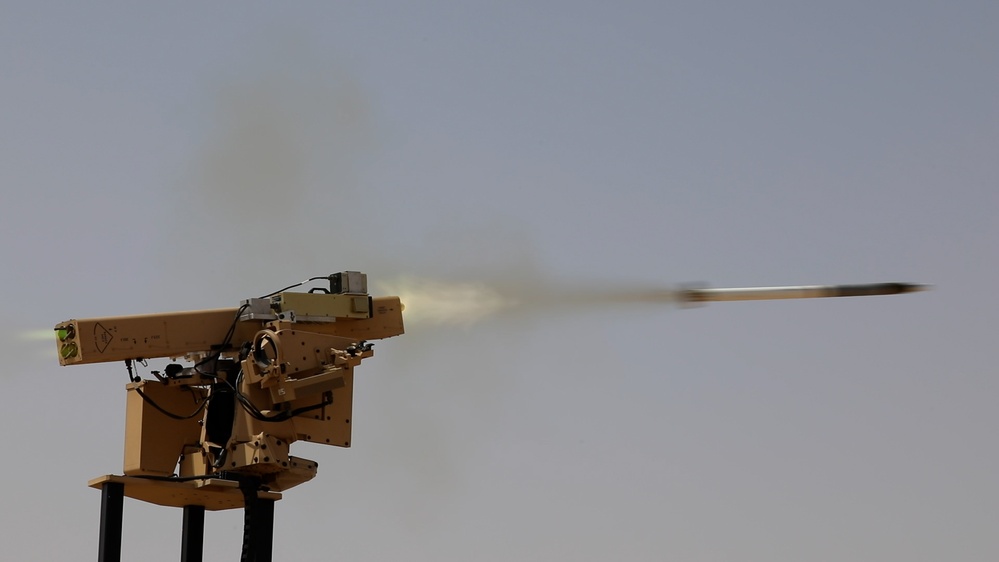
U.S. Army Combat Capabilities Development Command, DEVCOM, Containerized Weapon Systems firing a rocket during Red Sands Integrated Experimentation Center 23.2 at Shamal-2 Range in the Kingdom of Saudi Arabia, Sept. 12, 2023.
https://www.dvidshub.net/image/8062788/red-sands-232
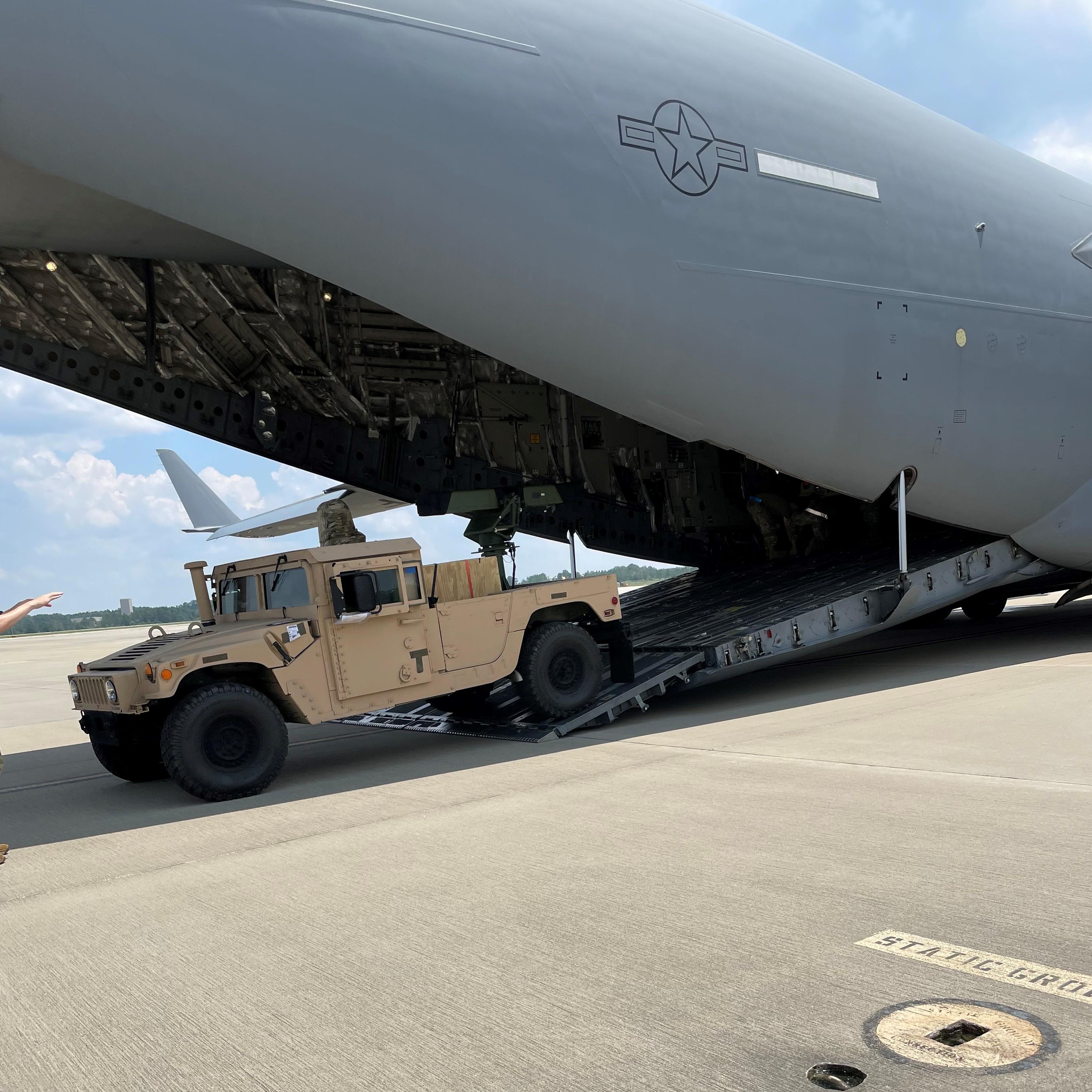
Hier ein Foto von VAMPIRE bei der Lieferung an die ukrainischen Streitkräfte:
Im Februar ist ein Video aufgetaucht, das angeblich die Zerstörung einer "Shahed" durch VAMPIRE zeigen soll:
First Look At Laser-Guided Rocket Counter Drone System Blasting A Russian Drone (12. Februar 2024)
https://www.twz.com/land/first-look-at- ... sian-drone
Hauptunterschied zum klassischen APKWS ist die Integration eines
Annäherungszünders von L3Harris mit dem Sensor TSC VIPER (Das ist wohl der Grund, wieso diese Munition überhaupt zur Bekämpfung von Luftzielen verwendet werden kann. Zum Vergleich: Die
MBDA Mistral 3 hat einen Laserannäherungs- und einen Aufschlagzünder - eine Eigenentwicklung von
Matra/MBDA.):
VAMPIRE’s mission management system integrates an advanced company WESCAM MX™-10 RSTA targeting sensor with its weapons station, allowing an operator to engage targets quickly and accurately. It combines affordability with accuracy from the Advanced Precision Kill Weapons System rocket, selected specifically for use in Ukraine, which will incorporate L3Harris’ proximity fuze for increased system lethality for engaging ground and aerial targets.
https://www.l3harris.com/newsroom/press ... er-uas-gap
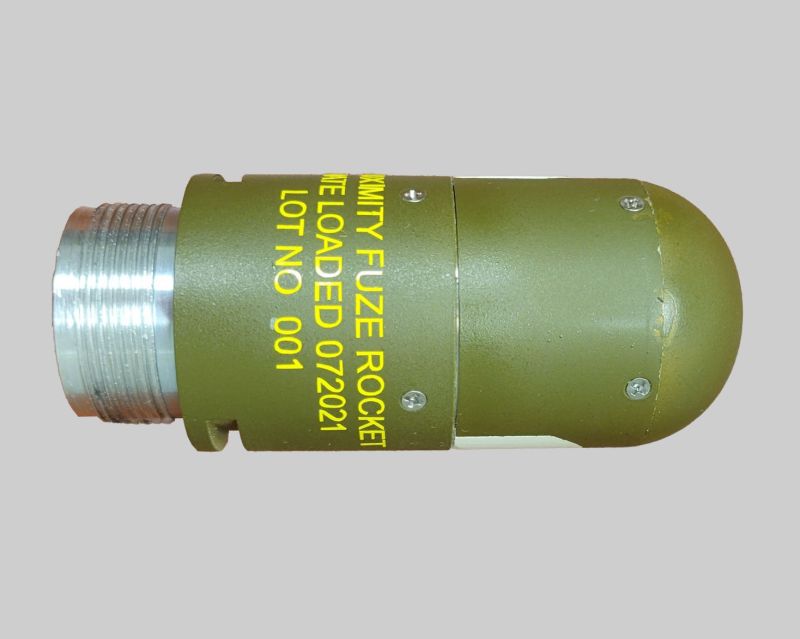
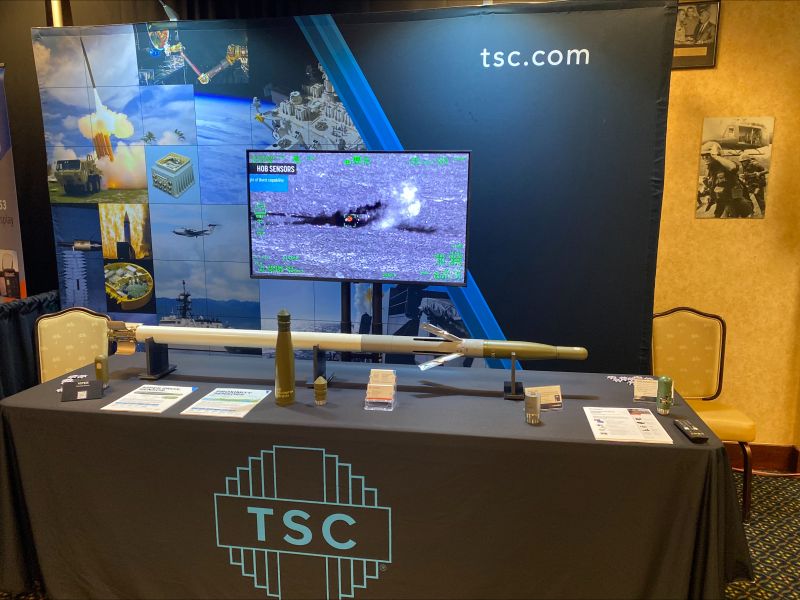
Today, TSC, an advanced sensor company specializing in Department of Defense elec-tronics, introduced its new proximity sensor to support the Counter-Unmanned Aircraft Systems (C-UAS) mission at booth number 543. TSC collaborated with global defense company L3Harris Technologies to develop a fuze that transforms platforms into low-cost counter-UAS solutions with proven success in U.S. Army testing
TSC’s sensor is integrated into an L3Harris-developed proximity fuze to enable BAE Systems’ APKWS® laser guided weapons to be fired from any Hydra 70 launcher, including integration into L3Harris’ VAMPIRE™ multi-purpose weapons system for C-UAS.
The newly developed proximity fuze for the standard M151 warhead allows APKWS laser-guidance kits to target Group 2 and Group 3 drones. The fuze also includes a Height of Burst (HOB) mode and retains the legacy point denotation capability for maximum flexibility of the weapon in the field. The new fuze now enables APKWS-guided rockets to engage and destroy drones at a fraction of the cost of existing C-UAS systems with unprecedented precision.
https://tsc.com/fuze-press-release/
 https://www.linkedin.com/posts/technolo ... ic_profile
 https://www.linkedin.com/posts/technolo ... _like_view
VIDEO
https://www.linkedin.com/posts/technolo ... 00320-VOA7
VIDEO
https://www.linkedin.com/posts/l3harris ... 47425-aXQ8
https://www.linkedin.com/posts/technolo ... _like_view
VIDEO
https://www.linkedin.com/posts/technolo ... 00320-VOA7
VIDEO
https://www.linkedin.com/posts/l3harris ... 47425-aXQ8
Die
HYDRA-70, auf der das APKWS und letztlich die beim VAMPIRE genutzte Lenkwaffe basiert, nutzt üblicherweise Aufschlagzünder oder Zeitzünder ("remote-set fuze"):
The rocket system contains three components: the MK66 MOD 4 rocket motor, one of the nine warheads, and the associated point-detonating, or remote-set fuze(s).
https://www.gd-ots.com/wp-content/uploa ... 202010.pdf